ServicesWater Testing
Water Testing in Missouri City
Before you buy a filter or a softener, get real numbers. We draw samples from your own faucets, explain each result in everyday words, and tell you which treatment would help and which you can skip.
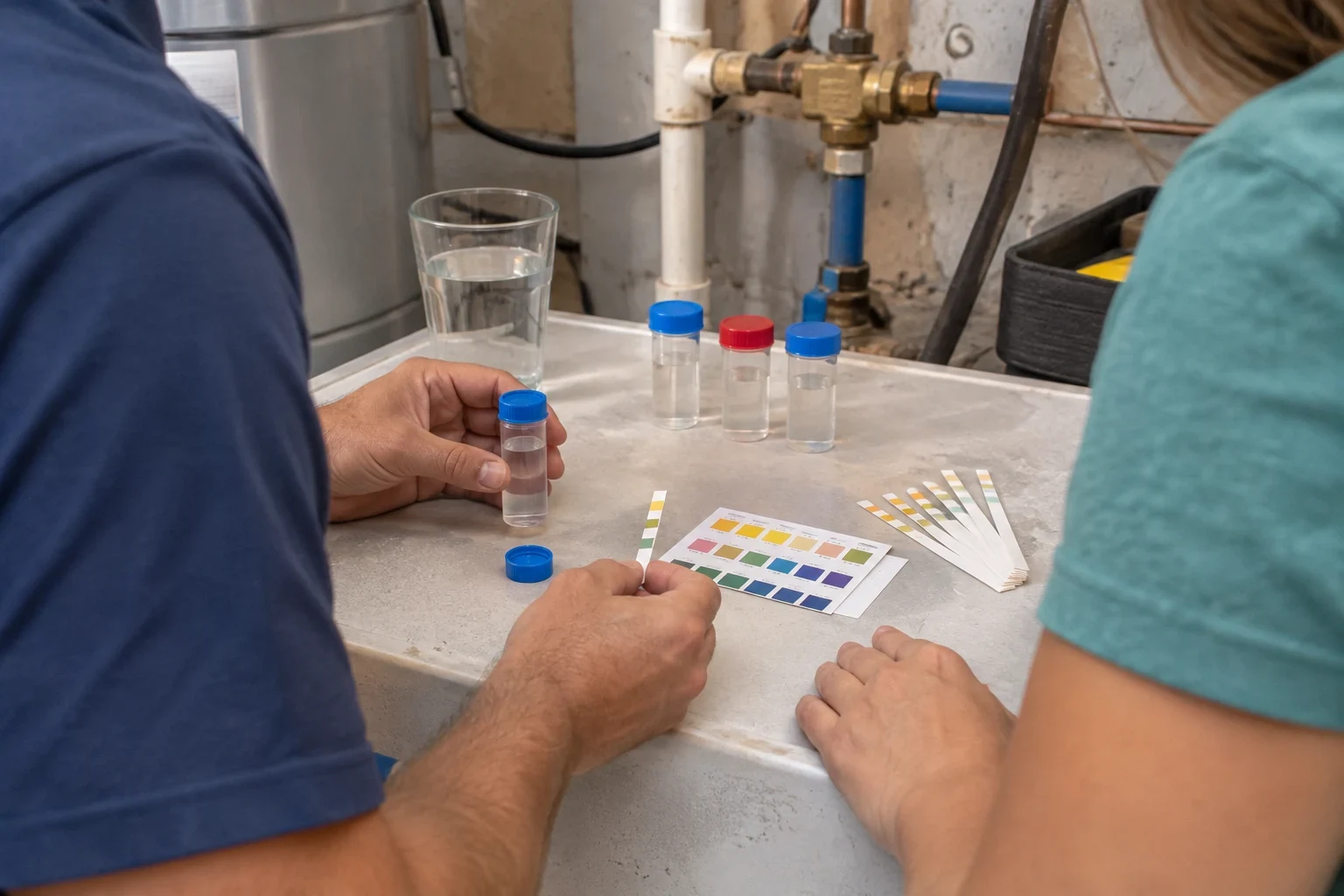
Test first, then decide
A call usually starts with a complaint. The tap water tastes like bleach, the shower door keeps spotting, or orange rings show up in a sink that's only a year old. Some folks have no complaint at all and just want to know. A test swaps guesses for facts.
We check the things that matter for the choices you face: hardness, chlorine, iron, pH and total dissolved solids. If you're on a private well, or your home has older plumbing, we can add lab tests for bacteria or lead. You get the numbers and what they mean.
Then we tell you what we'd do in your shoes. Sometimes that's a whole-home filter or a reverse osmosis unit under the sink. Sometimes it's nothing at all. A test that ends with "your water is fine" is a good day for us too.
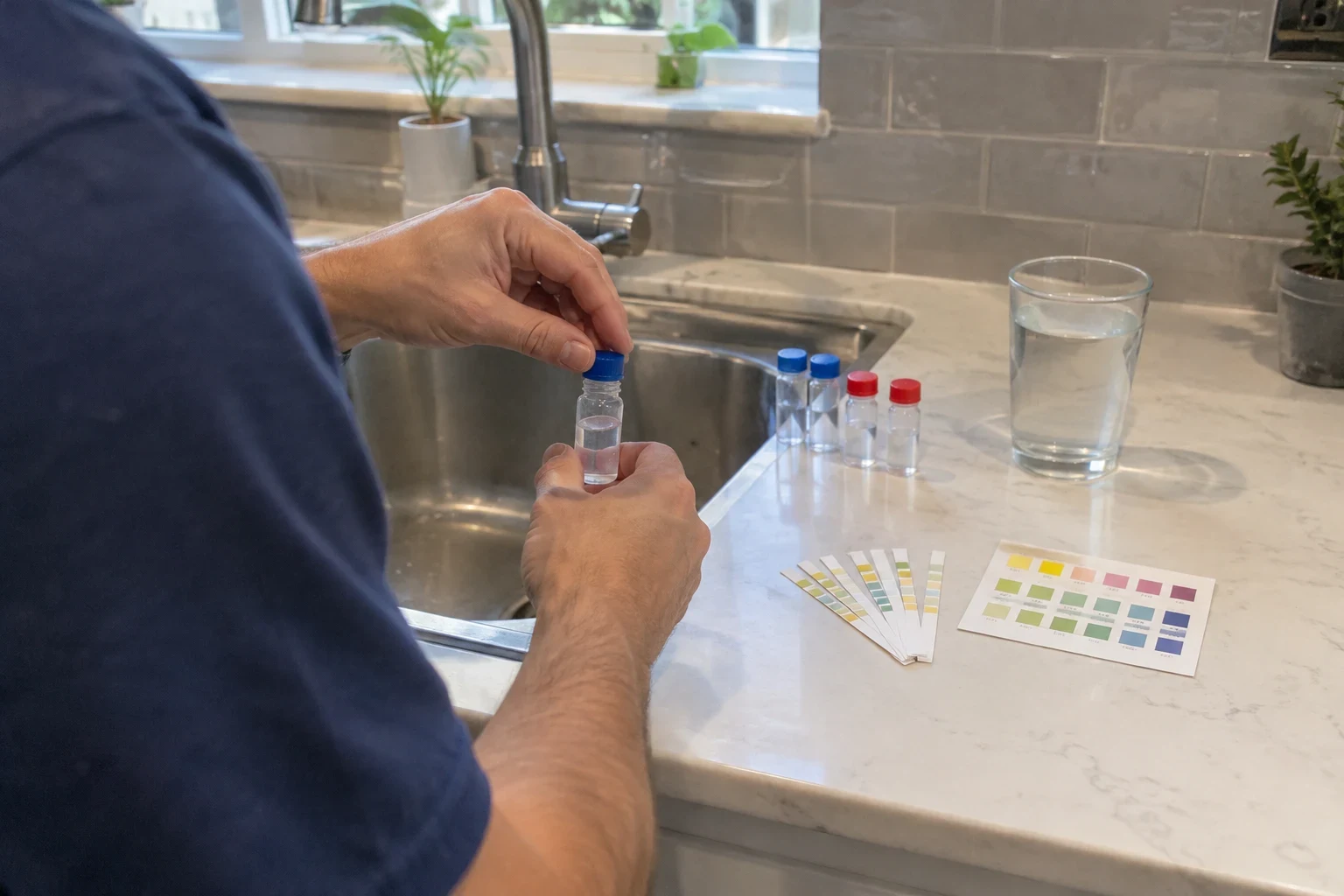
What a water test covers
- 01
Tap checks during the visit
We test hardness, chlorine, iron, pH and dissolved solids right at your kitchen sink. You see most of these numbers before we leave.
- 02
Lab samples when needed
Some things can't be read on the spot, like bacteria in a well or lead from old pipes. For those we collect a sample the right way and send it to a lab.
- 03
A plain-words walk-through
We sit down with you and go over each result. What's normal, what's high, and whether it affects taste, your fixtures or your health.
- 04
An honest recommendation
We match the fix to the numbers. If a water softener won't make a real difference in your home, we'll say so.
- 05
A written copy of the results
You keep the numbers. It's handy if you want to compare later or get a second opinion.
- 06
A retest once a system is in
If you go ahead with a system, we come back and test again to show it's working. We also show you how to care for it so it keeps doing its job.
Questions about Water Testing?
Call(281) 519-2358Signs it's time to test your water
A bleach or pool smell
City water is disinfected, and some people notice the taste more than others. A test shows how much is there and whether a carbon filter would help.
White crust on faucets and glass
Scale on shower doors and spotted dishes point to hard water. A hardness test tells you if a softener is worth it.
Orange or brown stains
Rust-colored rings in sinks and toilets often mean iron. That's common with wells and sometimes with older pipes.
Rotten egg smell from the tap
On well water this usually means sulfur. It's fixable, but the right fix depends on the test.
A well that's never been checked
Nobody tests a private well for you. If you can't remember the last test, it's due.
A new baby or older pipes
Many families want to know about lead before mixing formula. Homes with original plumbing are worth a look.
How a test visit goes
- 1
The phone call
Tell us what you're noticing and if your water comes from the city or a well. We'll suggest which tests make sense so you don't pay for ones you don't need.
- 2
The visit
We come to your home and draw samples from the right taps. On-site checks take a short while, and we explain as we go.
- 3
Your results
We go over the on-site numbers with you that day. Lab results come back later, and we call to walk you through them.
- 4
Checking back
If you put in a system, we retest once it's running and show you the upkeep, like when to change filters. That's part of our full services after the sale.
What affects the cost of testing
A quick check of hardness and chlorine is a small job. A full well panel with lab work is bigger. We'll tell you what each test is for on the phone so you can choose.
- Which tests you need
- On-site checks cost less than lab work. Bacteria, lead and other lab tests add to the price.
- City water or well
- Wells usually need a wider set of tests, since no utility is monitoring that water for you.
- Number of sample points
- Testing one kitchen tap is simpler than sampling before and behind an existing system or from several fixtures.
- Retesting
- A follow-up test on a new system is part of the job when we install it. A standalone retest on someone else's equipment is priced on its own.
Water testing questions
Do I need a water softener?
Not always. Plenty of homes don't have water hard enough to justify one. We measure hardness first, and if the reading is low, we'll say so and skip the softener talk.
If my city water meets the rules, why test?
Meeting the rules is about what leaves the plant. Taste, chlorine smell, and anything picked up from the pipes in your home are a different matter. A test shows what's coming out of your own tap.
How soon do I get results?
On-site numbers are ready during the visit. Lab tests take longer. We call you once they're back and go over them.
Is the test just a way to pitch me equipment?
No. Our job on a test visit is to read your water honestly. If a filter or softener would fix something you're dealing with, we lay out the choices and the reasons. If nothing needs fixing, you'll hear that from us plainly.
How often should a well be tested?
Once a year is a good habit. Test again following a flood or any well repair, or whenever the taste, smell or color changes.
Can you test once a system is installed?
Yes. We retest every system we put in, and we can check older systems too. It's the easiest way to know a filter is still doing its job.
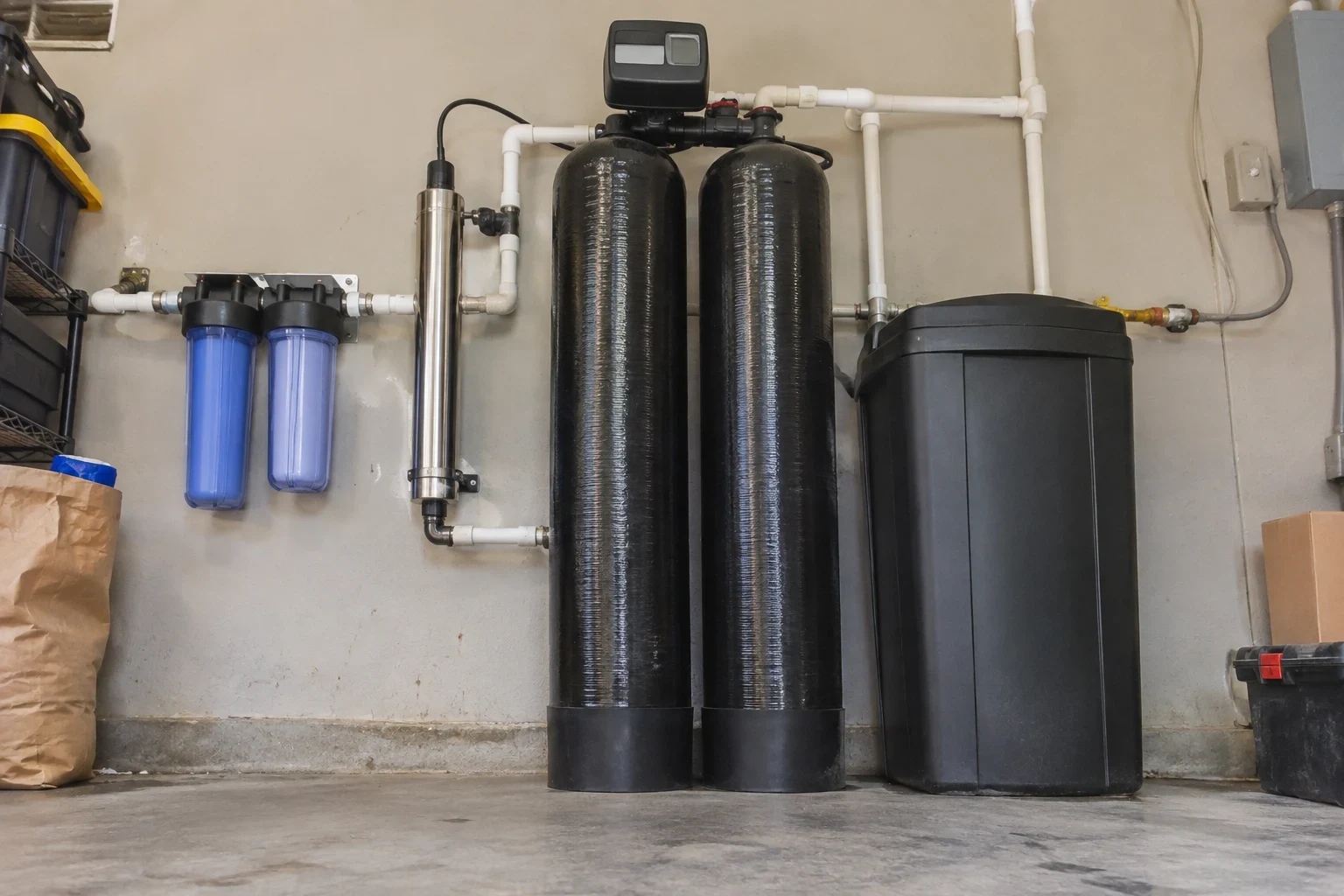
Get the numbers on your water
Give us a call and describe what's coming out of your faucets. We'll pick the tests that fit, and you'll get clear results with an honest read on what to do next.